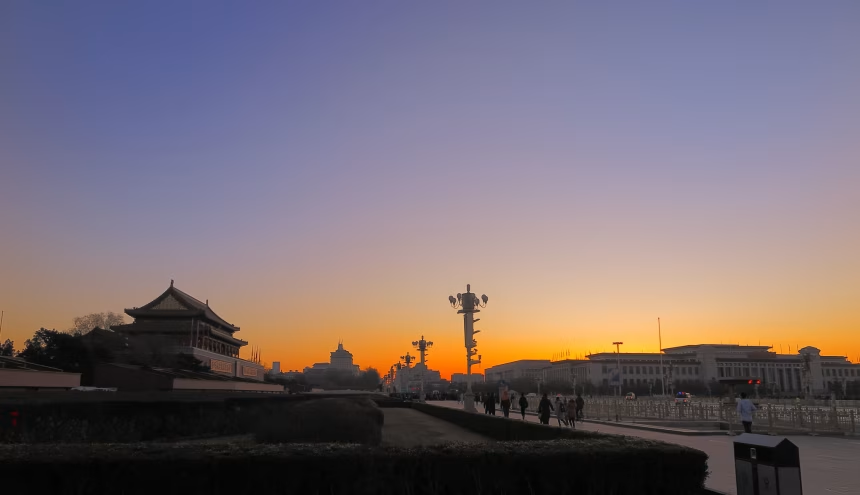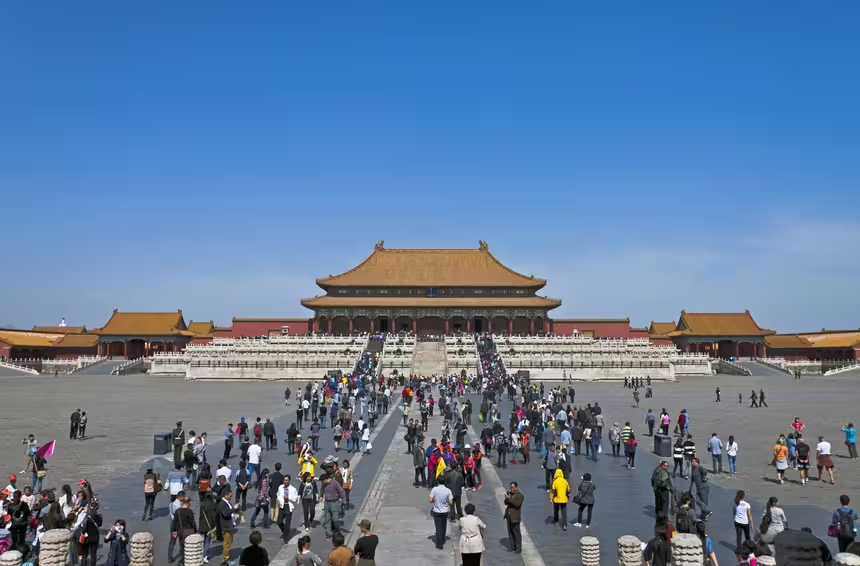
Beijing’s most famous sites now face a paradox of successful heritage protection and mass tourism. The Forbidden City, Temple of Heaven, Summer Palace and Great Wall are genuinely large, yet visitor numbers can make them feel like narrow corridors. Timed booking and capacity management are not bureaucratic decoration. They determine whether a visit is possible and whether a historic place can survive the demand created by its own fame.
The first mistake is to treat the map as a checklist. The Forbidden City alone is a sequence of courtyards, gates and collections that can absorb most of a day. Adding the Summer Palace and the Temple of Heaven does not create an efficient itinerary; it turns the city into a succession of security queues and vehicle journeys. One major site, one neighbourhood and an unplanned meal often produce a richer day.
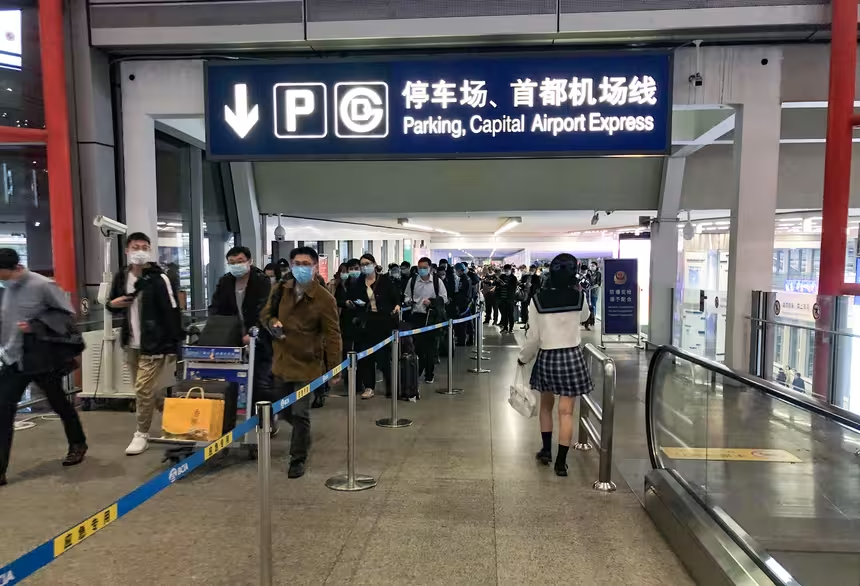
Identity-based booking changes the practical rhythm. A passport number must be entered accurately, the document is checked at the gate and popular slots can sell out. Travellers should use official platforms or clearly identified authorised sellers, not a screenshot offered by an unknown intermediary. If a site is unavailable, the answer is not to buy a dubious “special entrance”, but to choose one of Beijing’s many less congested institutions.
Time of day matters. An early reservation may reduce heat and crowding; a late visit can provide softer light but less time for collections. Weekends, public holidays and school vacations have a different pressure from an ordinary weekday. Weather changes the value of a plan as well: a Great Wall hike during a thunderstorm or extreme heat is not an achievement.
Tourism is distributed unevenly. A few icons receive global attention while district museums, parks, temples and industrial heritage remain comparatively quiet. Exploring a hutong on foot, spending time at Shougang or visiting a specialist museum can reveal how the city actually changed. Dispersal is not merely a trick to avoid crowds; it spreads income and attention beyond a handful of gates.
Residents pay the cost when every lane becomes a backdrop. Noise, short-term retail and tour groups can displace ordinary services. Visitors should distinguish a living neighbourhood from an open-air museum, respect closed courtyards and avoid photographing residents at close range without consent. The best hutong experience is not the most intrusive one.
Large visitor numbers also create an environmental burden through transport, water, waste and constant repairs. Public transport, refillable water where permitted and fewer single-use purchases are modest but practical choices. More important is pace: staying longer at fewer places reduces unnecessary movement and produces a better understanding of them.
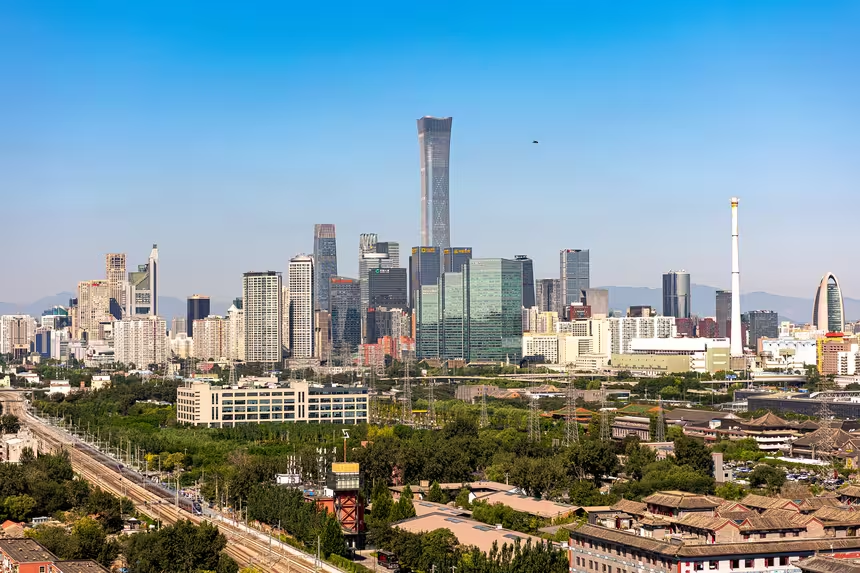
Beijing does not need to be “completed”. Its scale and history make that impossible. A good journey accepts that one visit will leave important places unseen. The reward is not a photograph from every compulsory viewpoint, but the moment when the axial imperial city, a neighbourhood market and a contemporary district begin to read as parts of one changing metropolis.