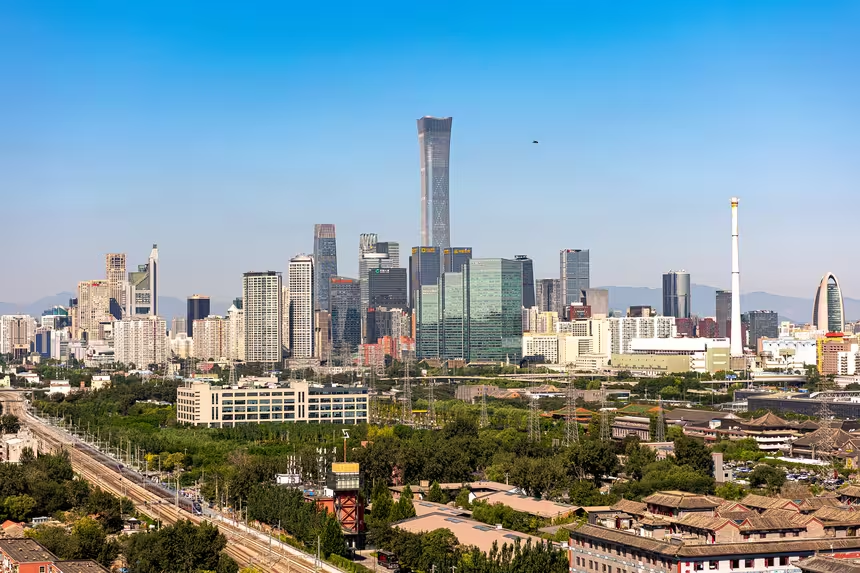
Beijing plans to extend its greenway network to 1,000 kilometres in 2026 and open forty more waterfront sections to the public. The municipal plan is not limited to new parks. It connects greenery, water, walking routes and the renewal of public spaces in densely built neighbourhoods.
In the previous year, the city reported more than 1,100 parks and planned a further five hundred kilometres of greenways. Connectivity is crucial. A separate park may serve one neighbourhood, while a linked route allows a longer walk or bicycle journey without returning to road traffic.
The programme also includes small gardens and green spaces in streets. They serve a different purpose from large historic parks. They offer a short rest within walking distance and can improve shade, water absorption and conditions for spending time in places where there is no room for a large site.
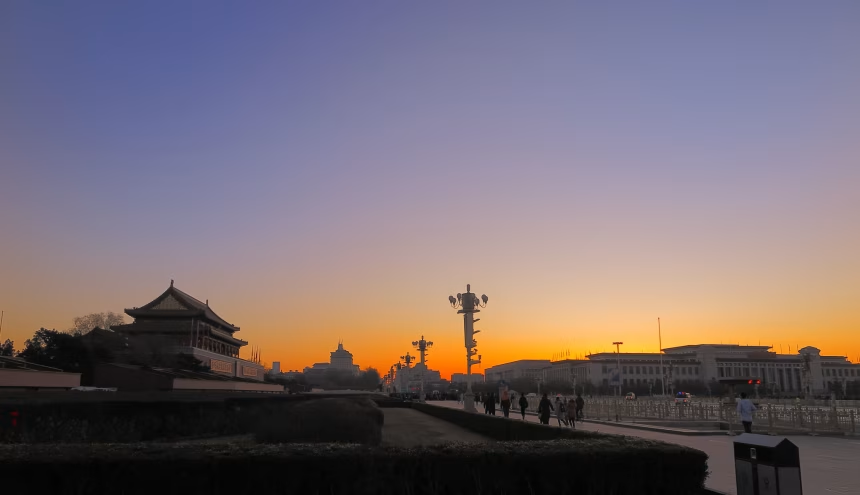
Traditional parks remain a fundamental part of the city. Beihai combines an imperial garden with a lake covering almost 39 hectares. The Olympic Forest Park in the north represents a more recent large landscape. Between them lies a network of smaller parks, rivers and renewed banks.
Beijing also intends to restore water corridors and treat urban districts as a garden system. The significance will be seen mainly in daily use. A good public space must be accessible, connected and maintained. Increasing the statistical area of greenery is not enough.
Visitors can observe the change most clearly outside the best known imperial sites. Routes along the Liangma River, around Shichahai and through newer green corridors show how water and vegetation are becoming part of ordinary movement through the city. Beijing is complementing its monumental heritage with places intended for everyday life.