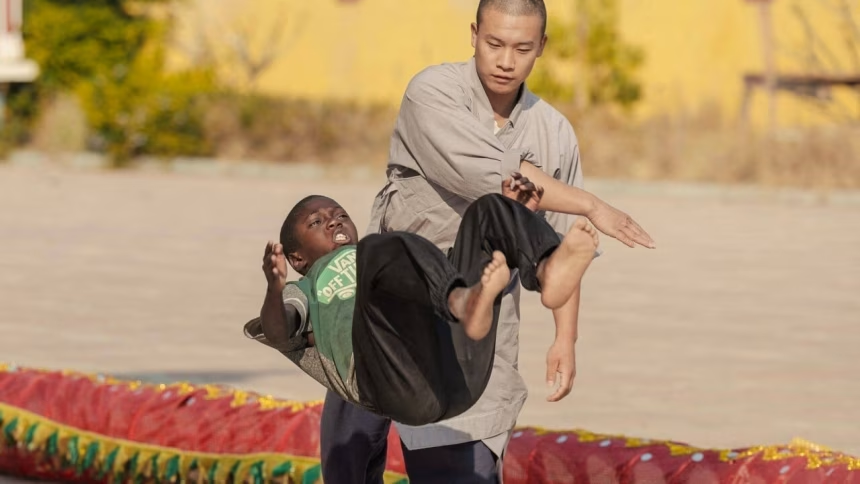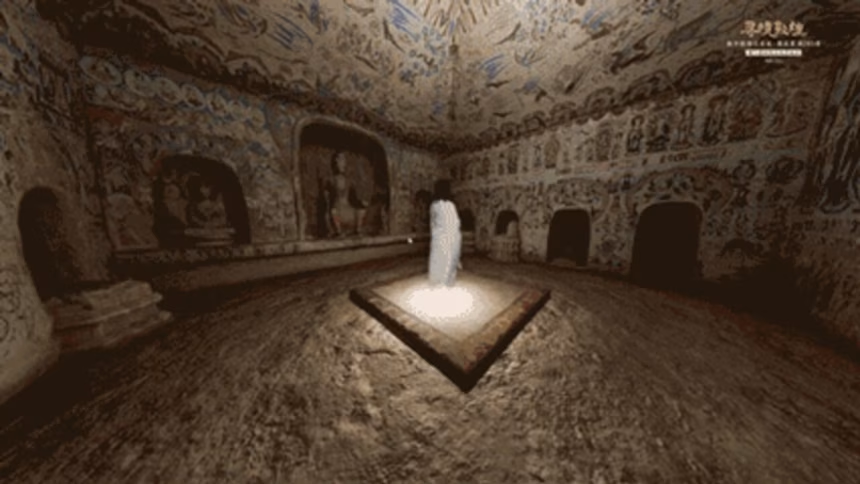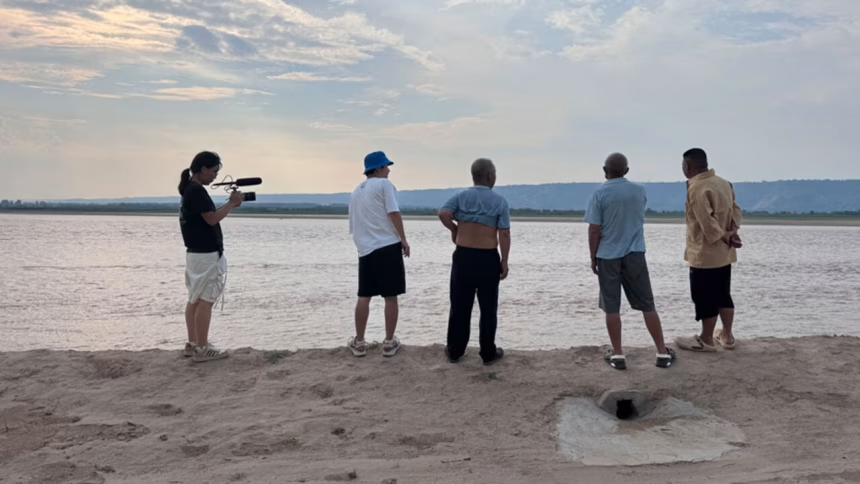
Two filmmakers travelled across rural China to record the stories of farmers, workers and their families. During the long running project they visited about 1,100 villages and assembled a broad portrait of everyday life.
The countryside is changing quickly as young people move to cities, work becomes mechanised and traditional crafts evolve. The recordings therefore preserve not only personal stories but also places, routines and forms of community that may disappear within a generation.
The strength of the project lies in repeated visits and patient observation. A camera can show how a home, family or landscape changes without reducing rural life to a romantic backdrop or a simple story of decline.
Such an archive can have cultural value and support future research. Its quality still depends on consent, accurate context and a commitment to let the people being filmed retain their own voice.