Guochao, the “national trend”, describes Chinese brands that work deliberately with domestic cultural identity. It may appear in clothing, cosmetics, collectable toys or drinks. The movement is part of a larger shift from manufacturing to another company’s specification toward original design, intellectual property and direct customer relationships.
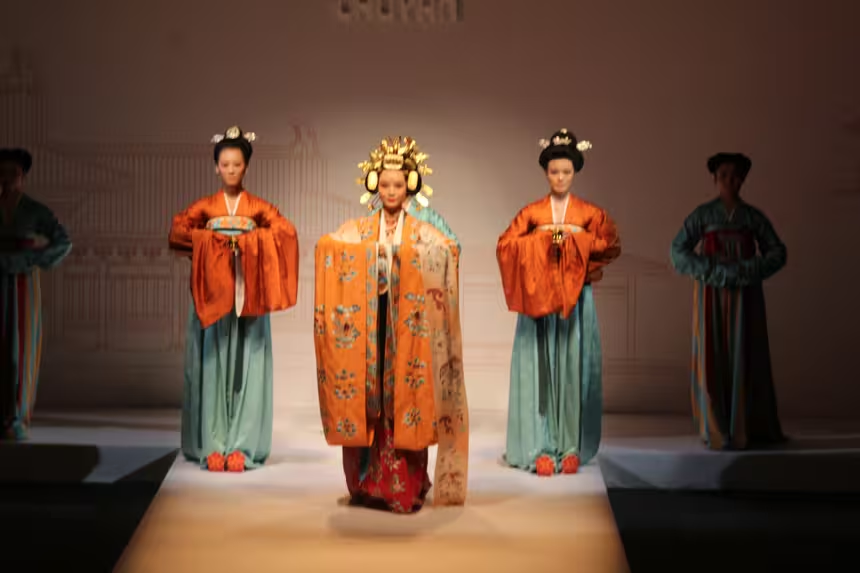
The first layer is easily recognised: dragons, phoenixes, characters, red and gold, or imperial motifs. A symbol reads quickly on social media but soon becomes exhausted. Stronger designs translate a source into material, construction and use—a fastening or proportion, not an ornament pasted onto a standard hoodie.
Craft collaboration requires more than borrowing an appearance. Brands should name makers, explain the origin of a motif and show how communities are compensated. Museum licensing can fund education and introduce collections, but without context it turns history into an unlimited supply of logos.
China’s rapid supply chains enable prototypes and online tests at remarkable speed. The same speed encourages copying, overproduction and disposable cultural merchandise. National confidence does not automatically create an original or durable product.
International expansion adds sizing, safety standards, translation, returns and rights protection. A cultural element may attract the first click, but function and service keep a customer. Guochao reaches maturity when a brand no longer needs an obvious dragon to be recognised as Chinese—its design quality, decisions and accumulated identity are enough.