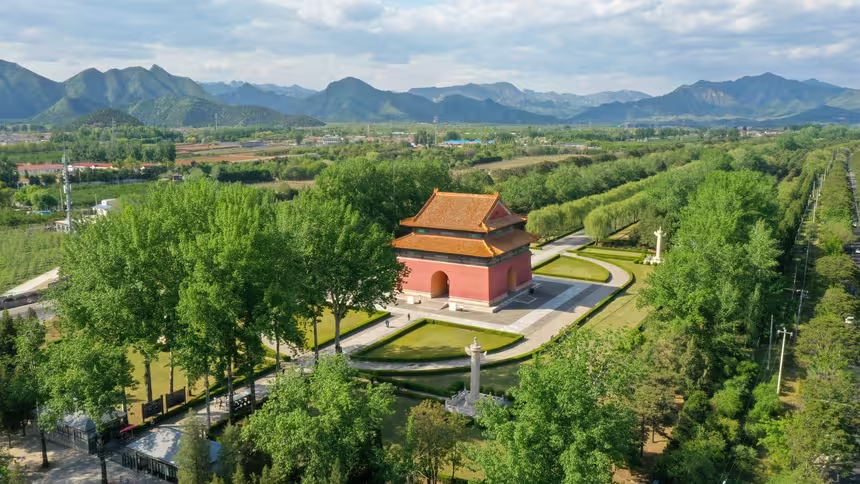
The Ming Tombs northwest of Beijing are not thirteen copies of one monument. They form a ritual landscape selected according to topography and geomancy, framed by mountains and approached through a shared processional route. From the Yongle emperor onward, each ruler created a separate tomb complex while joining a dynastic territory of ancestors.
The Sacred Way establishes the transition. Gates, a stele pavilion and paired stone officials and animals turn movement through the valley into ceremony. The sculptures are not decoration placed beside a road; they present an ordered court that continues beyond death. Their alternation between standing and kneeling animals creates rhythm and readiness.
Each tomb combines above-ground halls and walls with an underground burial chamber. Timber buildings were vulnerable to decay and fire, while sealed chambers created different conservation problems. Dingling, excavated in the 1950s, revealed the burial of the Wanli emperor and two empresses, but inadequate technology and the political turmoil that followed caused severe damage to textiles and human remains.
That experience transformed Chinese archaeological policy. Excavating an imperial tomb is not automatically preservation; opening changes temperature, humidity and microbial conditions and creates an obligation to conserve every object indefinitely. Most tombs therefore remain sealed. Non-invasive survey can answer some questions without repeating the losses of Dingling.
The complexes also depended on living labour. Construction, guarding, sacrifice and maintenance involved officials, soldiers, artisans and nearby communities. A tomb was a political project that mobilised resources during a reign, not merely a private resting place after it. Differences in scale and completion can reveal fiscal pressure and changing imperial circumstances.
Visitors often see Changling, Dingling and the Sacred Way, but the wider valley explains the system. Roads and modern tourism must be managed without fragmenting the spatial relationship between mountains, approaches and enclosures. The Ming Tombs are best understood not as a collection of underground treasures, but as a dynasty’s attempt to organise memory, legitimacy and landscape beyond the lifespan of its rulers.