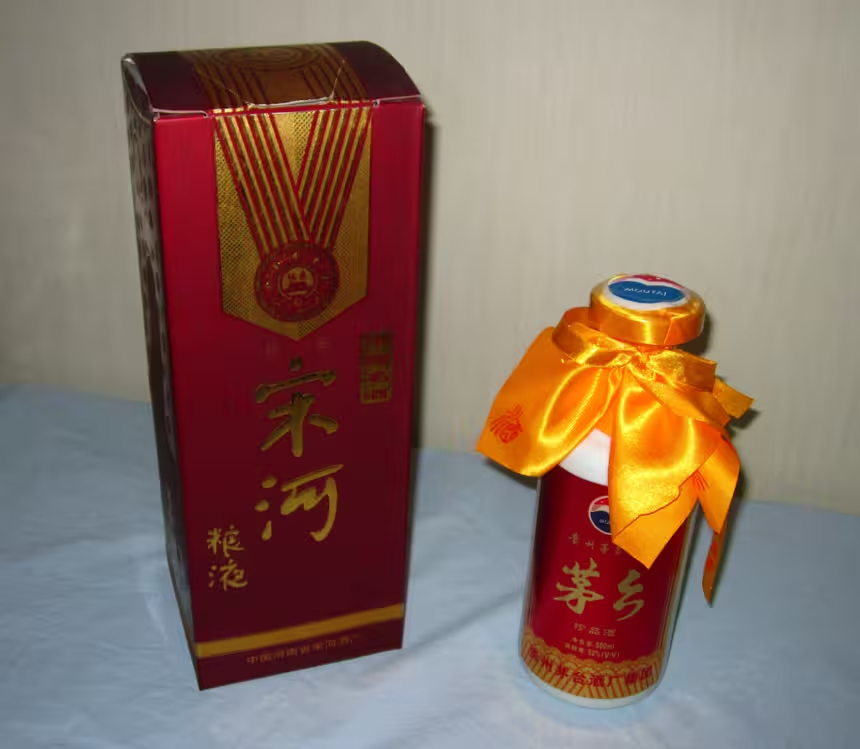
Baijiu is a family of Chinese distilled spirits, not a clear equivalent of vodka. Sorghum and other grains are fermented in solid or semi-solid form with qu, a starter containing microorganisms and enzymes, then distilled and blended. Fermentation vessels, climate and ageing create aromas unfamiliar to drinkers expecting a neutral spirit.
The broad aroma categories—sauce, strong, light and rice aroma among others—offer a first map. Sauce-aroma baijiu can be deeply savoury and fermented; strong-aroma styles may show ripe fruit and solvent-like esters; light-aroma examples are cleaner and more restrained. These labels describe production traditions, not simple quality levels.
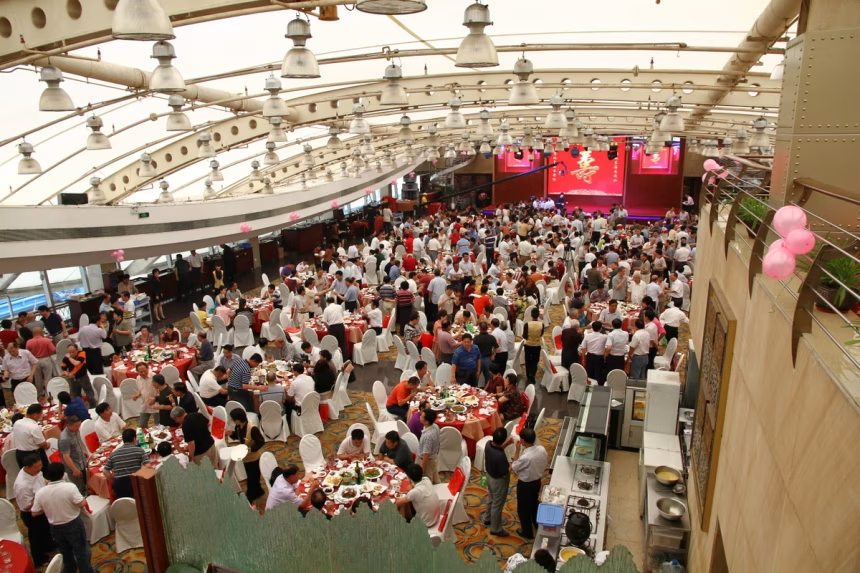
Baijiu is often served in small cups during a shared meal and linked to toasts. The social pace can make consumption accumulate quickly despite the small vessel and commonly high alcohol level. A guest can sip, choose a lower fill and state a limit. Hospitality does not require unsafe drinking.
Temperature and food matter. Room-temperature spirit beside savoury, fatty or spicy dishes reveals a different structure from a large isolated shot. Beginning with several small, clearly labelled samples is more informative than buying an expensive prestige bottle whose brand history dominates the taste.
Counterfeiting and status pricing make traceability important. Purchase from a reliable retailer and examine producer, style and alcohol content. Baijiu becomes easier to understand when it is treated like a diverse fermented and distilled culture rather than a test of toughness. Disliking one strong-aroma bottle says no more about the entire category than disliking one whisky says about all whisky.