Peking duck is often reduced to crisp skin, pancakes and a famous restaurant. The dish is actually a chain of breeding, preparation, drying, roasting, carving and table service in which each step affects the final contrast between skin, fat and meat.
Air is introduced between skin and flesh, the surface is treated and the bird is dried so that moisture does not prevent crisping. The open hung oven associated with Quanjude roasts birds in radiant heat from fruitwood, while the closed oven linked to Bianyifang uses stored heat. Neither method is automatically superior; each produces a different balance of aroma and texture.
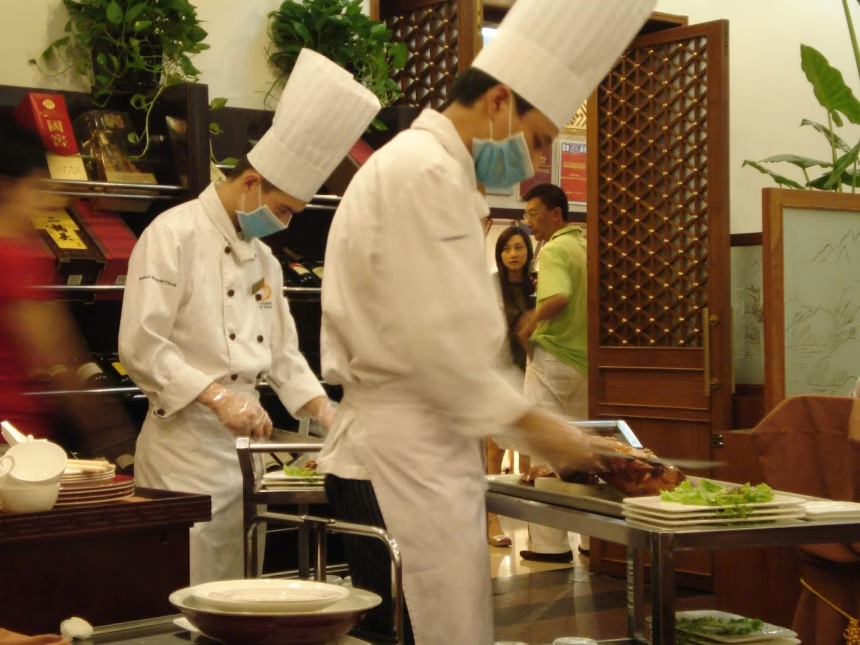
Carving is part of cooking. Thin slices must include the intended proportion of skin and meat and arrive before they cool. Some servings begin with nearly pure skin, dipped lightly in sugar, before pancakes, scallion, cucumber and sweet flour sauce build a more complex bite.
The meal traditionally uses more than the breast. Remaining meat can enter stir-fries, while bones make soup. Restaurants differ in how much of that sequence they serve. Asking what is included prevents the ceremonial carving from becoming an expensive half-experience.
Authenticity is not one frozen recipe. Duck type, oven management, sauce and accompaniments changed over time, and modern food safety altered kitchens. The useful standard is transparency and craft: careful drying, controlled roasting, skilled carving and service that lets a group share contrasting parts of the bird at their best.