A megacity does not eat through recipes alone. Beijing’s vegetables, meat, fish, grain and prepared food move through farms, wholesale hubs, inspections, refrigerated storage, neighbourhood markets and delivery platforms. The fresher the result appears, the easier it is to forget the energy and labour behind it.
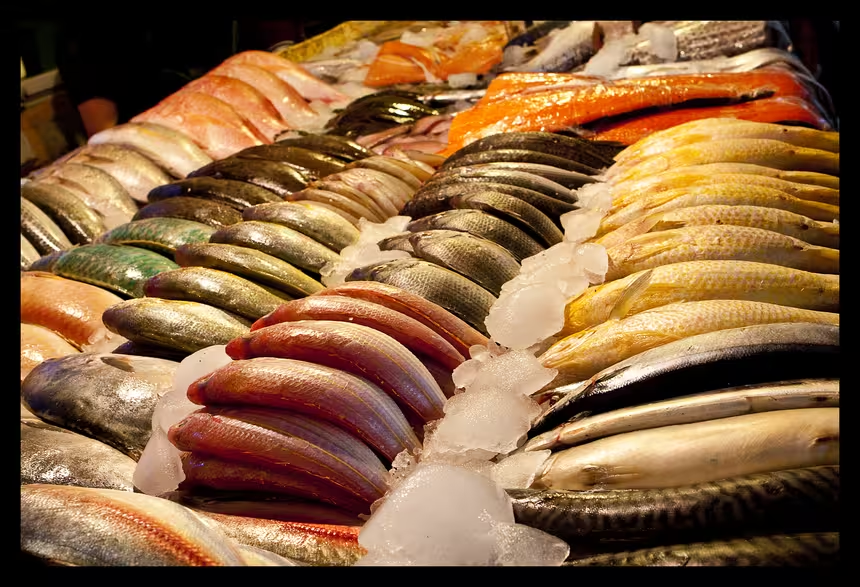
Wholesale markets consolidate enormous volumes and distribute them before dawn. Traceability should connect a batch to its producer and tests without becoming paperwork that only large suppliers can afford. Food safety depends on sampling, clean water, pest control and the ability to remove a suspect batch quickly.
The cold chain is continuous, not a refrigerated truck used once. Temperature must remain controlled through loading, storage and the final shop. Sensors can record conditions, but data are useful only if equipment is maintained and someone acts on an alarm. Reliability matters more than a demonstration dashboard.
Online delivery transformed the last mile. A warehouse can prepare an order within minutes, yet customers no longer inspect produce before buying. Platforms gain power over visibility, price and couriers’ working conditions. Speed is paid for through dense warehouses, packaging and pressure on labour.
Waste occurs during grading, in kitchens and at tables. Forecasting and late-day discounts can reduce it, but the first priority is not to create excess. Climate extremes add volatility by interrupting roads, raising cooling demand and damaging harvests far away. Beijing’s food security therefore depends on diversified routes, transparent stocks and resilient energy as much as on famous markets.