Green, yellow, white, oolong, black and dark tea can all come from the same tea species. Cultivar, place, harvest and above all processing—wilting, heating, rolling, oxidation, drying or microbial ageing—create the difference. Chinese “red tea” is what Europe normally calls black tea; Chinese “black tea”, hei cha, means post-fermented styles such as some pu’er.
UNESCO listed China’s traditional tea processing and associated social practices in 2022. The inscription does not protect one recipe. It recognises growers, processors, hosts and communities across many regions, and tea as agriculture, hospitality, family life, commerce and ceremony.
Green tea is heated early to limit oxidation; white tea is relatively lightly handled; oolong uses a wide range of partial oxidation; black tea oxidises more fully; dark teas continue to change through microorganisms and time. The category alone is not a rank of quality or caffeine.
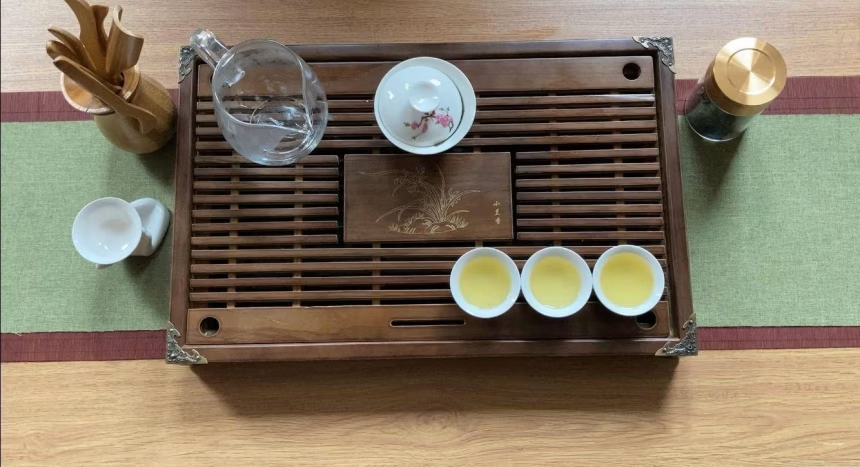
Water forms most of the cup. Excess hardness suppresses aroma, while boiling water can make a delicate green tea harsh. Temperature, leaf quantity and time work together. Gongfu preparation with small vessels and repeated infusions is one valuable southern tradition, not the single universal “Chinese tea ceremony”. A workplace flask and a Beijing pot of jasmine tea are equally real.
Stories of ancient trees and rare mountains may be true or simply raise a price. Ask for region, year, processing and storage, and taste when possible. The aim is not to perform every utensil correctly. Six categories provide a map; water and brewing provide the route; conversation explains why tea is poured at all.