Three days allow Beijing to be divided into three principal themes: the imperial centre, ceremonial and residential districts, and the Great Wall. The programme remains intensive, but each part has its own rhythm and avoids constant travel between distant areas.
Devote the first day to the Central Axis. Walk through Tiananmen Square and the Forbidden City towards Jingshan Park. If time remains, continue to the Drum and Bell Towers. Reserve palace tickets in advance and allow time for security checks.
Begin the second day at the Temple of Heaven. After the ceremonial complex, continue to Qianmen and Dashilar. Here, historic commercial buildings can be combined with lunch, a teahouse or a visit to one of Beijing's traditional brands.
Use the late afternoon of the second day for the hutongs and Shichahai. A route through Yandai Xiejie, Yinding Bridge and the lakeside reveals the city at a residential scale. Respect private courtyards and enter only spaces open to the public.
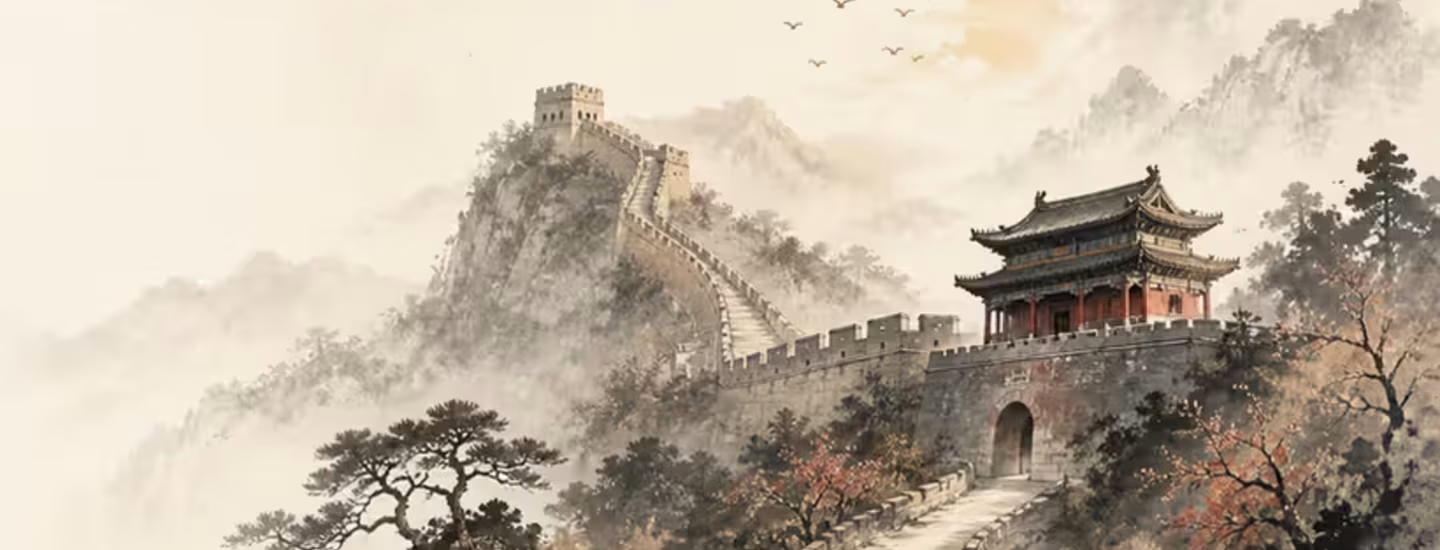
Reserve the third day for the Great Wall. Badaling offers a rail connection and extensive visitor infrastructure. Mutianyu is another popular option, but transport must be planned more carefully. In both cases, confirm tickets, weather and the last connection back to the city.
In poor weather, the wall can be replaced by the Summer Palace and contemporary art in 798. The three day plan is intended to show Beijing at different scales. The palace explains political order, the hutongs everyday life and the wall the capital's relationship with the wider landscape.