Helen Goh’s career joins two fields that appear unrelated: psychotherapy and pastry. In her account, both depend on attention, timing and an ability to work with change rather than force an immediate result. The comparison is illuminating when kept precise and not turned into the claim that baking itself is therapy.
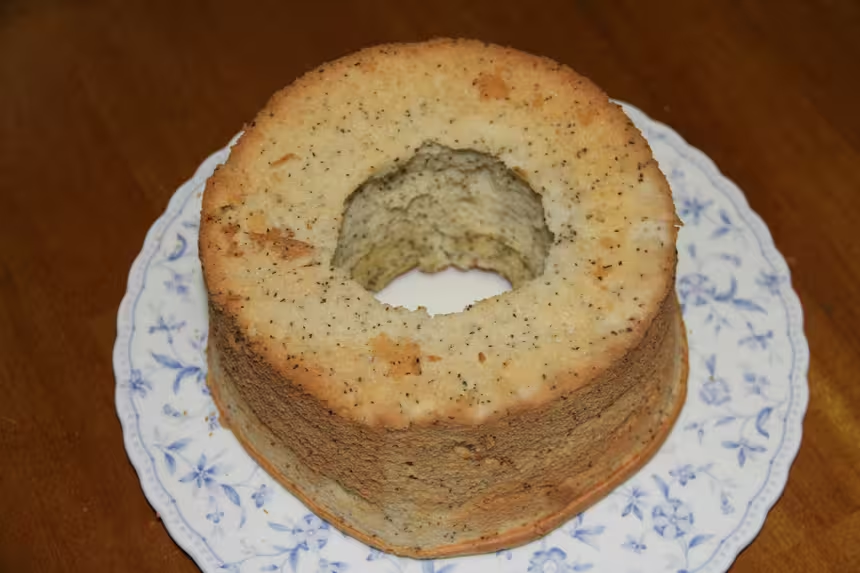
Baking makes process visible. Temperature, mixing and rest alter structure, and a small deviation may only become apparent later. A recipe provides a framework but ingredients and equipment still vary. The baker learns to observe dough or batter instead of obeying time blindly.
Psychotherapy also requires a framework, patience and careful observation, but it concerns a person rather than a product. There is no guaranteed recipe and the therapist’s responsibility includes boundaries, confidentiality and professional competence. Food can comfort and focus attention; it cannot replace clinical care.
Goh’s work with Yotam Ottolenghi brought flavours such as tahini, citrus, spice and fruit into baking without treating them as exotic decoration. Successful adaptation depends on understanding what an ingredient does to sweetness, fat and texture. Cultural reference deserves the same specificity as technique.
Professional kitchens can romanticise endurance. Precision should not justify exhaustion, unpaid labour or humiliation. Goh’s dual perspective encourages another model: disciplined craft combined with awareness of the people performing it. A cake records chemistry, but also the conditions under which someone had the time and safety to make it well.