Hong Kong herpetologist Michael Lau traces his conservation work to childhood encounters with local wildlife. His account is valuable because it moves from fascination with an animal to the less romantic tasks required to keep a species alive: surveys, habitat protection, records, permits and long institutional commitment.
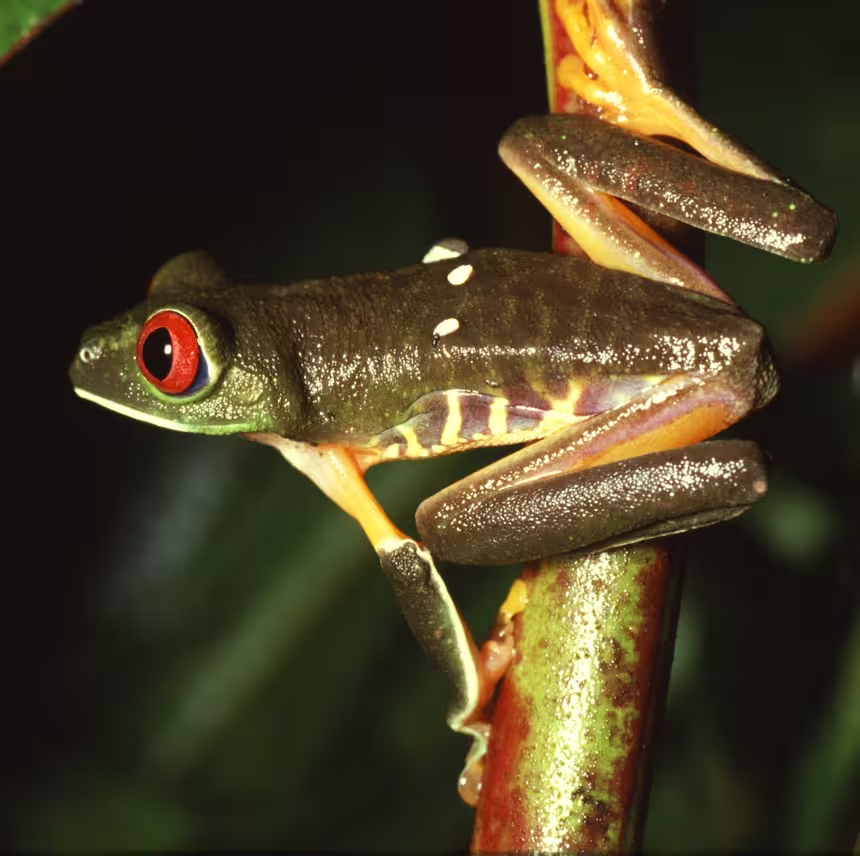
Romer’s tree frog is tiny and endemic to Hong Kong. Development of the new airport at Chek Lap Kok threatened part of its known habitat, prompting a rescue and translocation programme. The case became well known not because moving animals is an easy conservation solution, but because coordinated fieldwork, captive care and monitoring gave a threatened population another chance.
Translocation carries risk. A new site may lack the right breeding pools, microclimate or food, and moved animals can carry disease. Success cannot be declared when frogs are released; it requires evidence of reproduction and persistence over generations. Protecting original habitat remains preferable whenever possible.
Lau’s work also demonstrates why uncharismatic species matter. Frogs respond quickly to water quality and habitat change, and their decline can indicate wider ecological damage. Conservation based only on large photogenic mammals leaves entire systems unprotected.
Citizen observations can expand knowledge if locations of vulnerable species are handled carefully and experts verify identification. Public enthusiasm should not lead to collecting or disturbing breeding sites. The interview joins wonder with discipline: curiosity begins the career, but reliable data and patient stewardship make conservation possible.