Chef Hugo Leung’s work with Hong Kong’s walled-village cuisine brings a regional food tradition to television and restaurant audiences. Publicity can preserve knowledge by creating demand and pride, yet it also risks turning a living communal practice into a few marketable dishes detached from the people who maintain it.
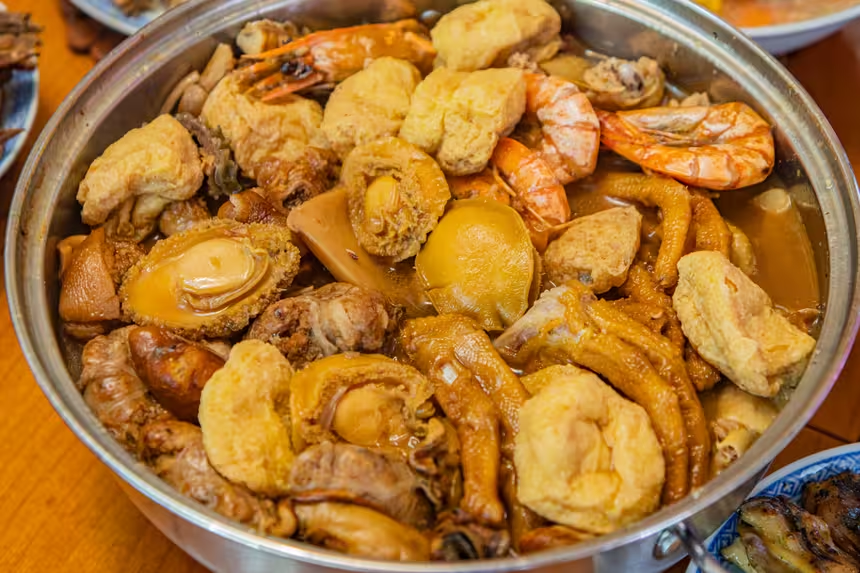
Walled villages in the New Territories developed around lineage, agriculture and collective ritual. Banquet foods such as poon choi organise meat, seafood and vegetables in layers for sharing. The dish is not simply a large basin of luxury ingredients; preparation, order and occasion express community relationships.
A chef translating the tradition for a modern kitchen must address ingredient availability, hygiene, portion and changing taste. Adaptation is inevitable. It becomes misleading when a restaurant claims timeless authenticity while removing the labour, season or ritual that gave a dish meaning.
Television rewards personality and a clear origin story. That visibility may draw young cooks toward their heritage, but it can concentrate credit in the presenter. Elders, home cooks, suppliers and village associations hold knowledge that cannot be owned by one celebrity. Naming collaborators and recording variants distributes recognition more fairly.
Protection should therefore support transmission, not fossilisation. Community archives, apprenticeships and viable local events matter alongside restaurants. Leung’s public role is strongest when fame returns resources and attention to the wider tradition. Media can open the door, but only the community can decide how its cuisine continues to change.