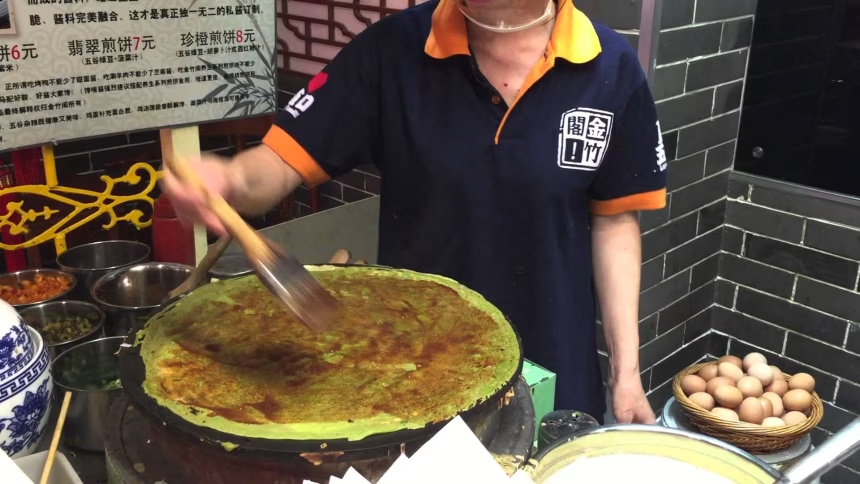
Beijing breakfast is best encountered outside a hotel buffet. Small shops serve hot soy milk, buns, fried dough, porridges, pancakes and the local pairing of douzhi with jiaoquan. The food is fast, inexpensive and fitted to a commute. There is no compulsory plate; habits vary by district, family and migration.
Douzhi is not ordinary soy milk. It is a fermented liquid produced while processing mung beans and has a sour, earthy aroma that surprises many first-time drinkers. It is served hot with spicy pickles and a crisp fried ring, jiaoquan. Acidity, salt, fat and texture are intended to work together.
Calling it a test of a “real Beijinger” turns taste into an identity contest. A visitor may order a small portion and need not finish it. Fermented foods are learned tastes in many cultures, and understanding the combination is more useful than performing a dramatic reaction for a video.
Jianbing—a thin savoury pancake with egg, sauce, herbs and a crisp insert—is widespread across China in regional forms. Baozi, youtiao, millet or rice porridge and savoury tofu expand the morning repertoire. Many dishes are salty and would appear closer to lunch in Europe.
Breakfast vendors face rent, hygiene rules and delivery platforms. Safety improvements need not eliminate small operators if cities provide water, waste systems and fair licences. Order early, look for a steady turnover of ingredients and eat fried food promptly. The ordinary baozi beside commuters may reveal morning Beijing better than any luxury banquet.