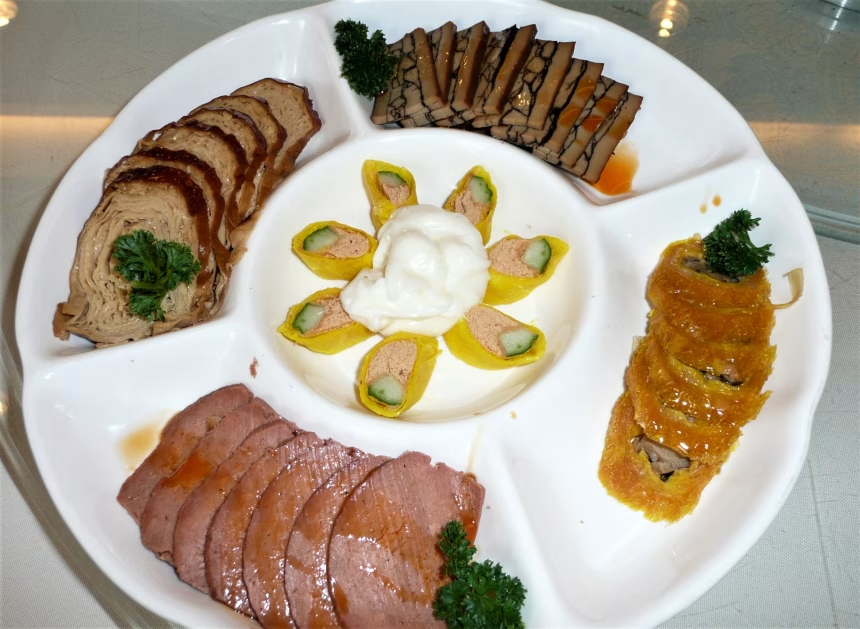
Plant-based eating is not an imported novelty in China, although Beijing’s current vegan restaurants operate in a new market. Buddhist temple cooking, household dishes built around tofu and vegetables, and modern meat substitutes may use similar ingredients for very different purposes.
Buddhist cooking often excludes meat and, in some traditions, pungent plants such as garlic and onion. In a monastery, food belongs to ethical and disciplinary practice, not a branded lifestyle. A restaurant may draw on that heritage but should distinguish religious cooking from free inspiration.
Tofu is not a substitute waiting for the hamburger. It has silken, firm, dried, fermented, smoked and sheet forms. Wheat gluten supplies elastic textures and mushrooms provide umami. This established repertoire creates variety without imitating the exact fibres of meat.
Modern plant-based products can help people change habits and may reduce some environmental burdens, but a green package does not make them automatically healthy. Salt, fat, processing and the entire diet matter. A shared Chinese table of vegetables, tofu, grains, steamed, braised and stir-fried dishes can be more convincing than a solitary “vegan steak”.
Vegetarian labels may be ambiguous when broth, oyster sauce, lard, egg or milk is treated as a minor ingredient. Strict diners should ask precisely. Environmental claims should also include origin, season, packaging and waste. Beijing’s most durable plant-based future will join old technique with clear ingredients and full flavour, giving people a reason to return without moral pressure.