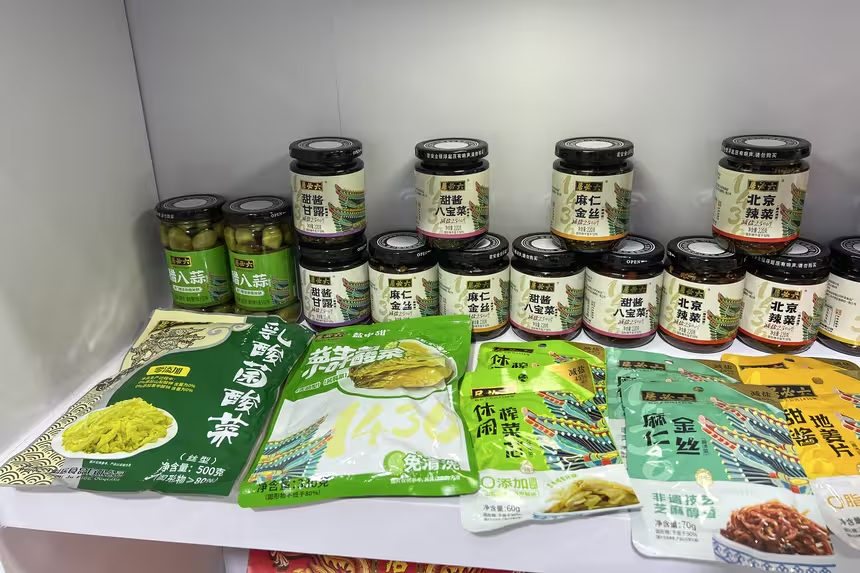
Beijing cooking depends not only on fresh meat and dough but on fermented bean pastes, sweet flour sauce, vinegar and pickled vegetables. They intensified flavour and preserved harvests through winter. Historic businesses such as Liubiju became part of urban memory; today their names operate simultaneously as recipes, companies and brands.
Fermentation transforms ingredients through microorganisms, salt, time and controlled conditions. In pastes it breaks proteins and starches into savoury and sweet compounds; pickling creates acidity, crunch and stability. Traditional production was never the absence of control. Skilled workers monitored temperature, smell, surface and time even without laboratory vocabulary.
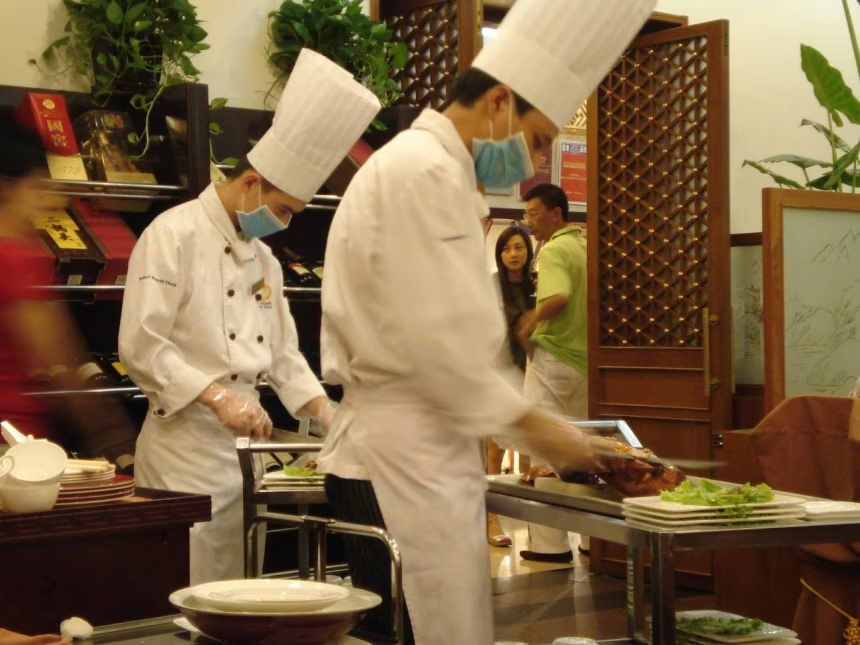
Tianmianjiang accompanies Peking duck and many other dishes. “Sweet” does not mean dessert syrup: starch conversion balances salt and fermented aroma. Products may contain wheat, soy or added sugar, so the ingredient list matters more than a loose translated name.
Pickles once supplied texture when fresh vegetables were seasonal and remain useful beside breakfast and mild grain dishes. A small quantity is enough; high salt has both a preserving function and health consequences. Tradition is not permission for unlimited consumption.
Heritage status can preserve knowledge and employment, but it also encourages legends and industrial products dressed in old packaging. Modern vessels, controlled temperature and laboratory safety may improve a genuine fermentation. The meaningful questions are which cultures, ingredients and process times remain, who performs the work and whether the company describes them honestly. A historic logo alone cannot preserve flavour.