The Grand Canal is often imagined as a single ancient trench between north and south. In reality it is a network assembled, redirected and repaired across dynasties, linking river systems over roughly 1,800 kilometres. Its northern terminal made an inland imperial capital dependent on grain, taxes and goods moved from the productive south.
Water did not naturally cooperate. Engineers managed changing levels through locks, embankments, reservoirs and feeder channels. Sediment, drought and flooding constantly threatened navigation. The canal was therefore not a finished monument but an institution of maintenance, labour and hydrological knowledge.
The grain tribute system gave it political importance. Barges carried rice and other tax grain to feed officials, troops and the urban population. Warehouses, docks and accounting linked distant farms to the court. The system could be coercive and expensive, yet it sustained a capital whose location was chosen for strategic rather than agricultural abundance.
The canal also moved merchants, crafts and ideas. Towns along it developed distinctive commercial cultures and migration networks. Official grain transport shared waterways with private trade, legal and illegal. The infrastructure did not merely connect two points; it reshaped settlements and relationships throughout the corridor.
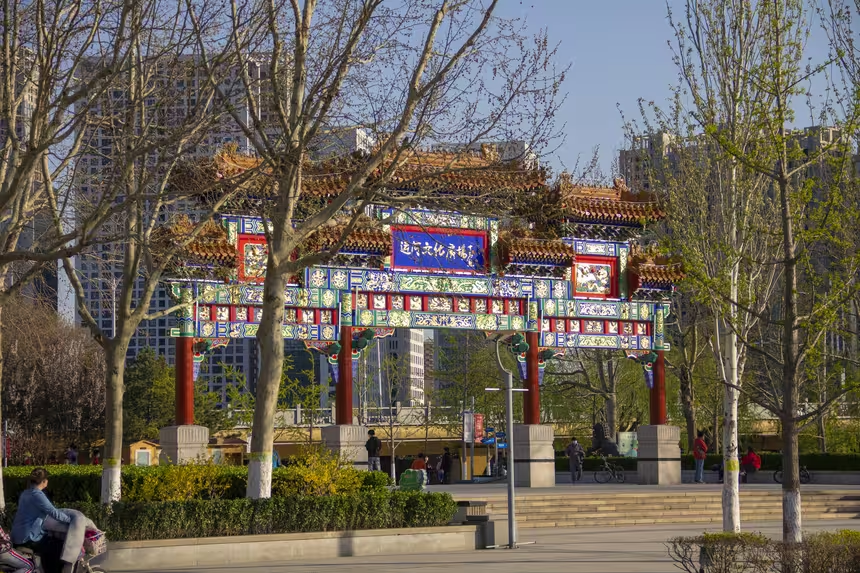
Railways and modern roads reduced its national transport role, while pollution, cut channels and urban development damaged continuity. Recent restoration around Tongzhou has recovered waterfront public space and navigation on selected sections. Rehabilitation must avoid turning the canal into scenery detached from water quality, ecology and the communities that used it.
Climate change adds pressure through variable rainfall and competition for water. A heritage canal cannot simply receive unlimited fresh water for appearance. Restoration needs to integrate flood control, habitat, wastewater management and realistic navigation. Read in this way, the Grand Canal is not only a record of imperial logistics; it is a long experiment in governing water across regions.