Peking duck is not a single fixed dish with one unchanging preparation. Two important roasting traditions have survived in the city. Bianyifang uses a closed oven, while Quanjude uses an open oven fired with wood from fruit trees.
With the closed method, the duck is hung in a preheated oven and cooked by radiant heat without direct flame. Liquid is poured into the duck before roasting to help cook it from within. Bianyifang associates this technique with a tradition several centuries old.
The open oven works with a visible fire. The cook repeatedly adjusts the position of the hanging ducks to achieve an even colour and crisp skin. Quanjude was founded in 1864, and its roasting method, like the Bianyifang technique, forms part of China's intangible cultural heritage.
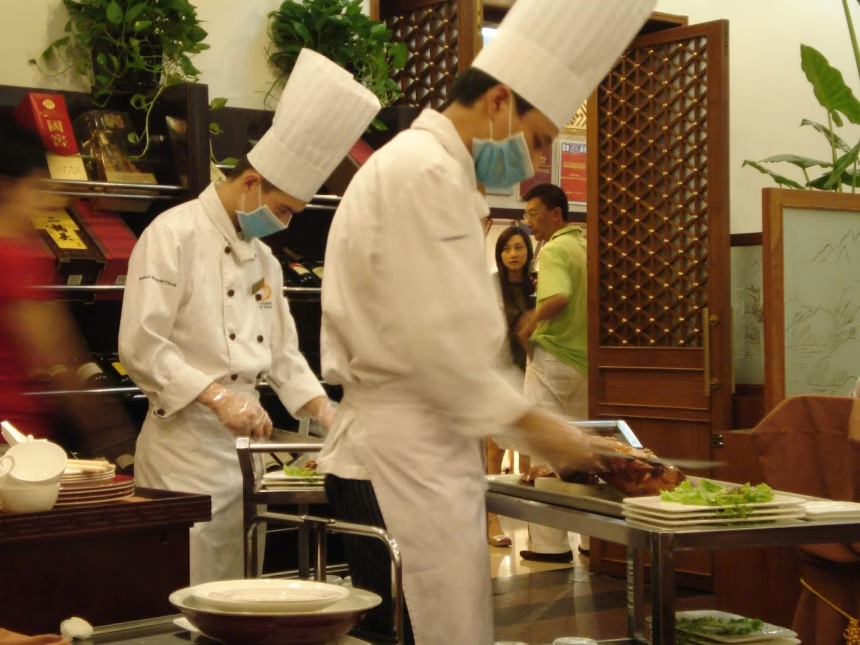
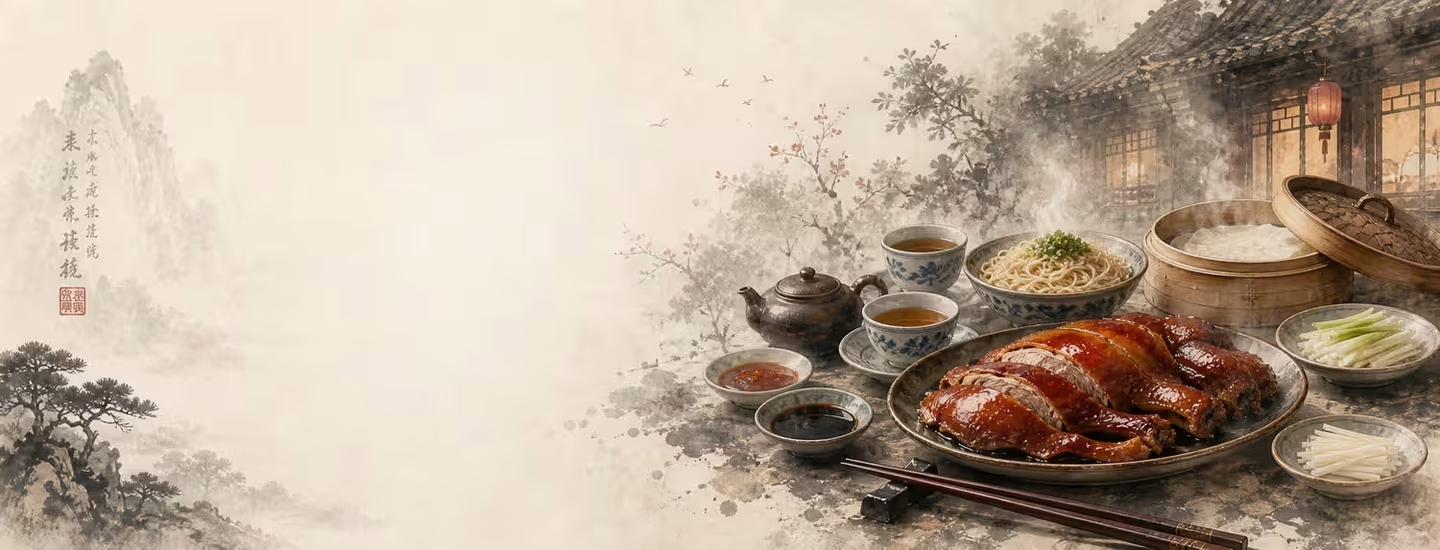
Service follows its own sequence. The duck is sliced thinly and served with delicate pancakes, sauce, spring onion and other vegetables. Diners assemble each bite themselves. The balance of skin, meat and accompaniments matters more than a large amount of any one component.
A whole duck is generally intended for sharing at the table. Restaurants may also offer a half portion or additional dishes made from the remaining meat and bones. Service varies, so it is worth confirming portion size and the need for a reservation in advance.
The two traditions follow different methods but pursue the same result: thin crisp skin and succulent meat. Comparing the closed and open ovens shows why Peking duck is more than a tourist symbol. It is a living craft with several documented schools.